
Service · Windows & Doors CGI
Windows and doors,
built right down to the hardware.
Then placed in the world.
Engineering-accurate 3D models — internal structures, hardware, mechanisms, glazing — composited into AI-generated environments. The detail of CAD. The realism of photography. Built for manufacturers and architects who need both.

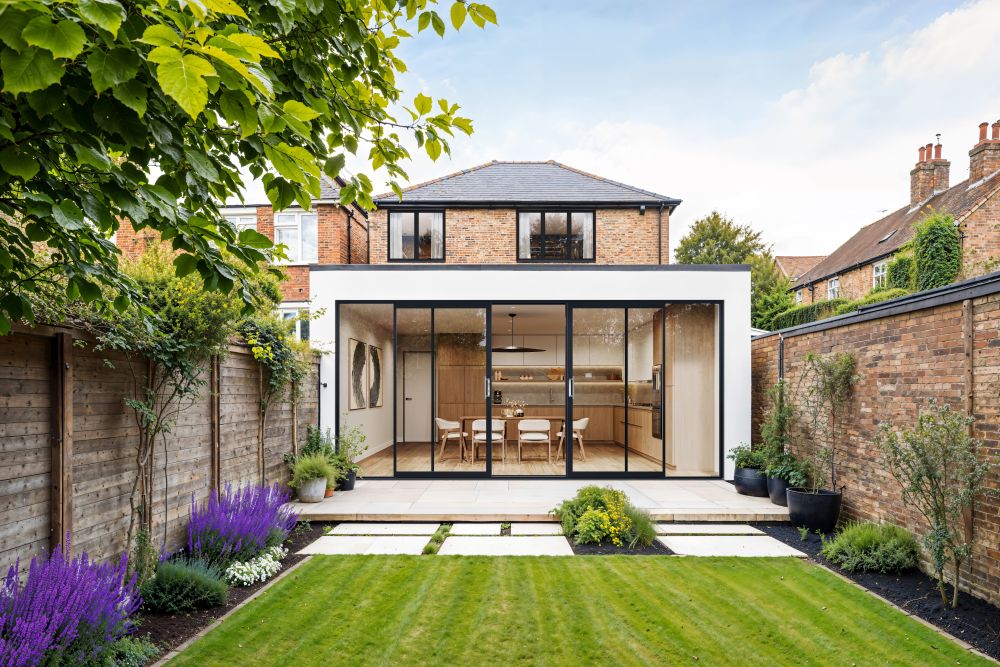
Bifold door system · two-panel configuration · CGI build with ai setting
what we do
Two common visual problems
we get right.
Windows and doors are the most demanding products to image. They need to look real in a room — and they need to read accurately as engineered objects. Most product photography handles the first and fakes the second. Most CAD renders handle the second and ignore the first.
We do both. The 3D model is built to manufacturing accuracy — internal frame structure, hardware position, glazing thickness, mechanism geometry. The AI environment is generated to suit the product — the right architecture, the right light, the right context. The product is then composited into the scene with correct perspective, scale, and shadow.
The result reads as a photograph to a buyer and a technical drawing to an installer. Same image, both jobs done.
What we produce
Catalogue stills
Plain-background product shots for spec sheets and listings
Cutaway views
Internal structure exposed — frame, glazing, seals
Exploded diagrams
Component breakdowns for brochures and installer manuals
Setting composites
Product placed in AI-generated architecture and interior scenes
Mechanism animations
Sliding, folding, casement movement — accurate motion paths
Modelled to spec
Built right. Then imaged.
The model is built first — geometry, materials, hardware, and mechanisms accurate to the product. Once the model is right, every output that follows is right. Cut it apart, blow it up, animate it, drop it into a scene — the source data does not change.
01 · Frame and structure
Internal sections modelled to profile.
Aluminium, timber, composite, or PVCu — the chamber structure, reinforcement, and thermal break are built as they are manufactured. Cutaways read as section drawings.
→
→
→
Profile chambers and reinforcement
Thermal breaks and gaskets
Glazing rebate and bead detail

02 · Hardware and ironmongery
Every handle, hinge, and lock — built and aligned.
Hardware is positioned where it lives on the real product. Movement paths follow the actual geometry — vents open the way they open, not the way they look like they should.
→
→
→
Profile chambers and reinforcement
Thermal breaks and gaskets
Glazing rebate and bead detail

03 · Mechanism and motion
Sliding, folding, tilt-and-turn — actually moving.
Bifold sequences, sliding paths, casement arcs, tilt-and-turn behaviour — all modelled with correct motion. Animations show the product working, not approximated.
→
→
→
Bifold and folding door sequences
Sliding and patio door tracks
Tilt-and-turn dual-action movement

04 · Glazing and security
Glass, gaskets, and locking — all to specification.
Double or triple glazed units with correct cavity, spacer bar, and gas fill. Security features — hookbolts, anti-lift, key-operated locks — modelled where they live.
→
→
→
DGU and TGU glazing build-ups
Spacer bars, gaskets, edge seals
Multipoint locking and security hardware

The combination
A combination of our 3D accuracy with the perfect realism of an.
AI environment.
Manufacturers need spec accuracy. Architects need atmosphere. The composite gives both — without a location shoot, a styling budget, or a single retake.

01
Build the model
Profile, hardware, glazing, mechanism — modelled to your specification. This is the engineering layer.

02
Generate the setting
An AI-generated environment chosen to suit the product — interior, façade, or landscape. Light direction matched to the brief.
03
Composite to spec
Product placed in scene with correct perspective, scale, and light. The result reads as a photograph and a spec drawing in one.
Who it’s for
Manufacturers and architects who need both accuracy and atmosphere.
01
Window and door manufacturers
Brand owners, fabricators, and trade suppliers launching new product or refreshing existing ranges. Spec accuracy is non-negotiable.
02
Glazing systems suppliers
Profile and systems houses producing technical literature where the section drawing matters as much as the lifestyle image.
03
Architects and developers
Specifying high-end glazing for residential or commercial projects where the visualisation needs to sell the design before construction begins.
04
Marketing teams behind technical brands
In-house and agency leads who need brochure, web, and trade-show imagery that holds up to specifier scrutiny.
Why it works
Bespoke project, predictable result.
→
No location, no studio, no compromise
The product appears in the right setting because we generate it. No travel, no permits, no waiting on the right weather.
→
One asset, many uses
The same model produces catalogue stills, cutaways, exploded views, animations, and lifestyle composites. Brochure, web, trade show, social — from one source.
→
Updatable as the product evolves
New colourway, new handle, new glazing option, new mechanism. The model updates and the imagery follows. No reshoot, no relighting, no rebuild from scratch.
→
Holds up to technical scrutiny
Specifiers and installers can trust the imagery. The frame section is right. The hardware is in the right place. The mechanism moves the way it moves.
1
model, many outputs
3—5
Weeks · brief to delivery
24
Years in CGI
selected window and door work
A few examples of images from our window and door archives.


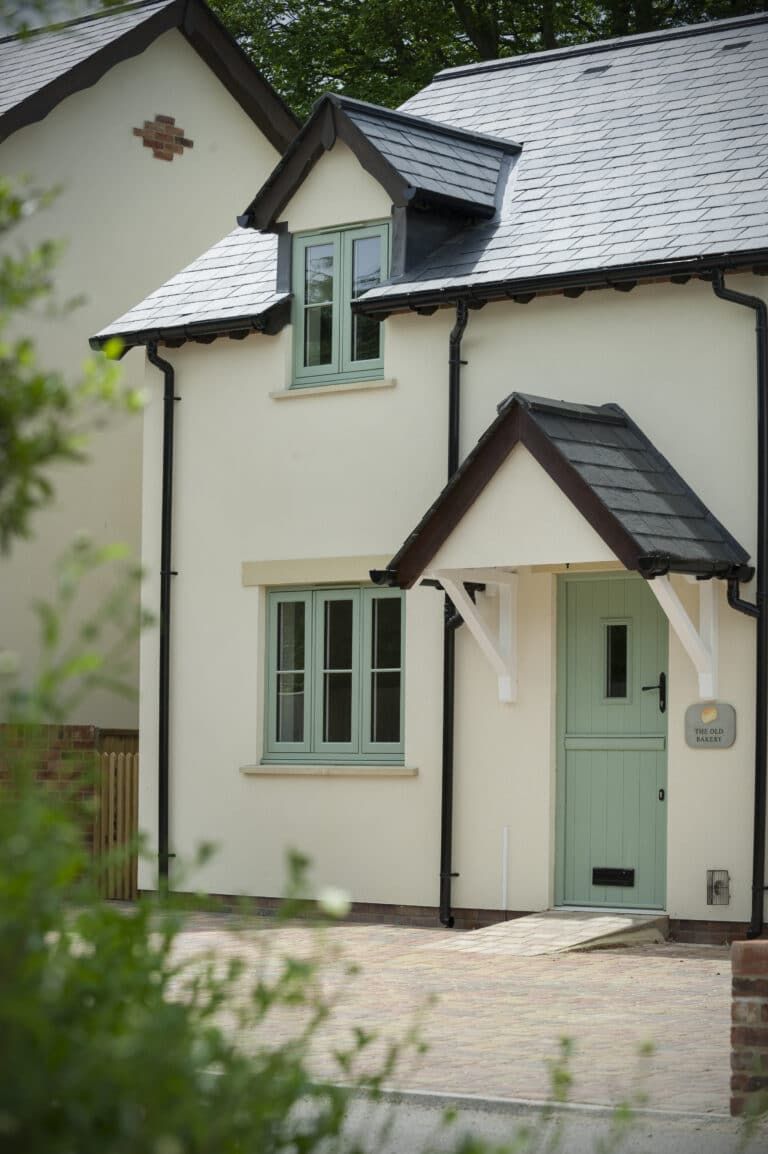


From a window and door client
Proof, not promises.
Common questions
Things window and door teams ask us first.
Six questions that come up in nearly every first conversation. If yours isn’t here, ask.
Start a window and door project
New product launching?
Existing range that needs better imagery?
Send us what you have — a finished design, a brief, room dimensions, or just a brand and a target audience. We’ll come back with a quote and a timeline within two working days.