Service · Product CGI
Photorealistic product CGI.
Whatever you manufacture.
From precision components to complete commercial ranges, we create accurate product imagery for catalogues, ecommerce, launches and campaigns. Every image is built with 24 years of CGI expertise and professionally enhanced with AI where it improves realism, detail and finish. No photography required.
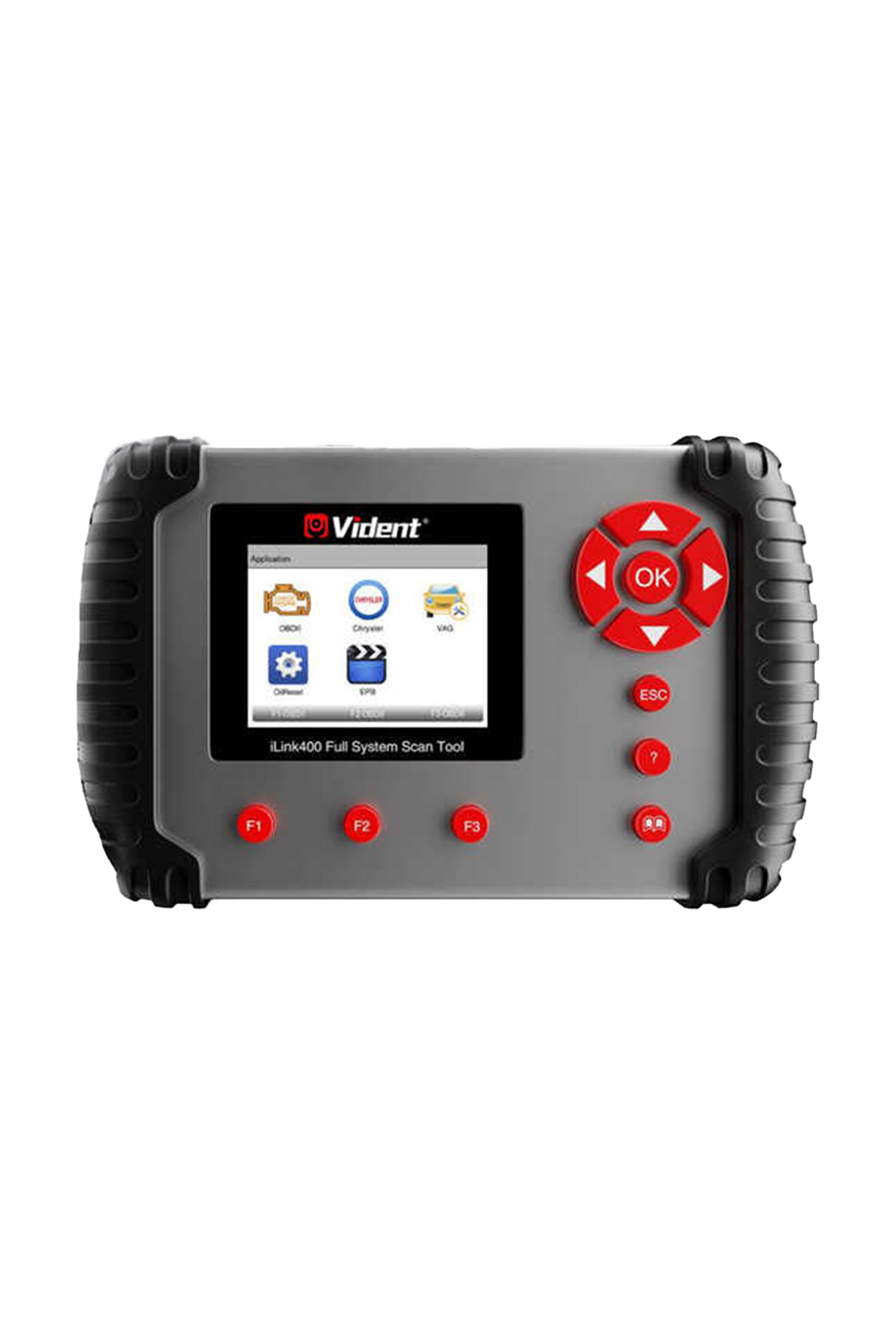
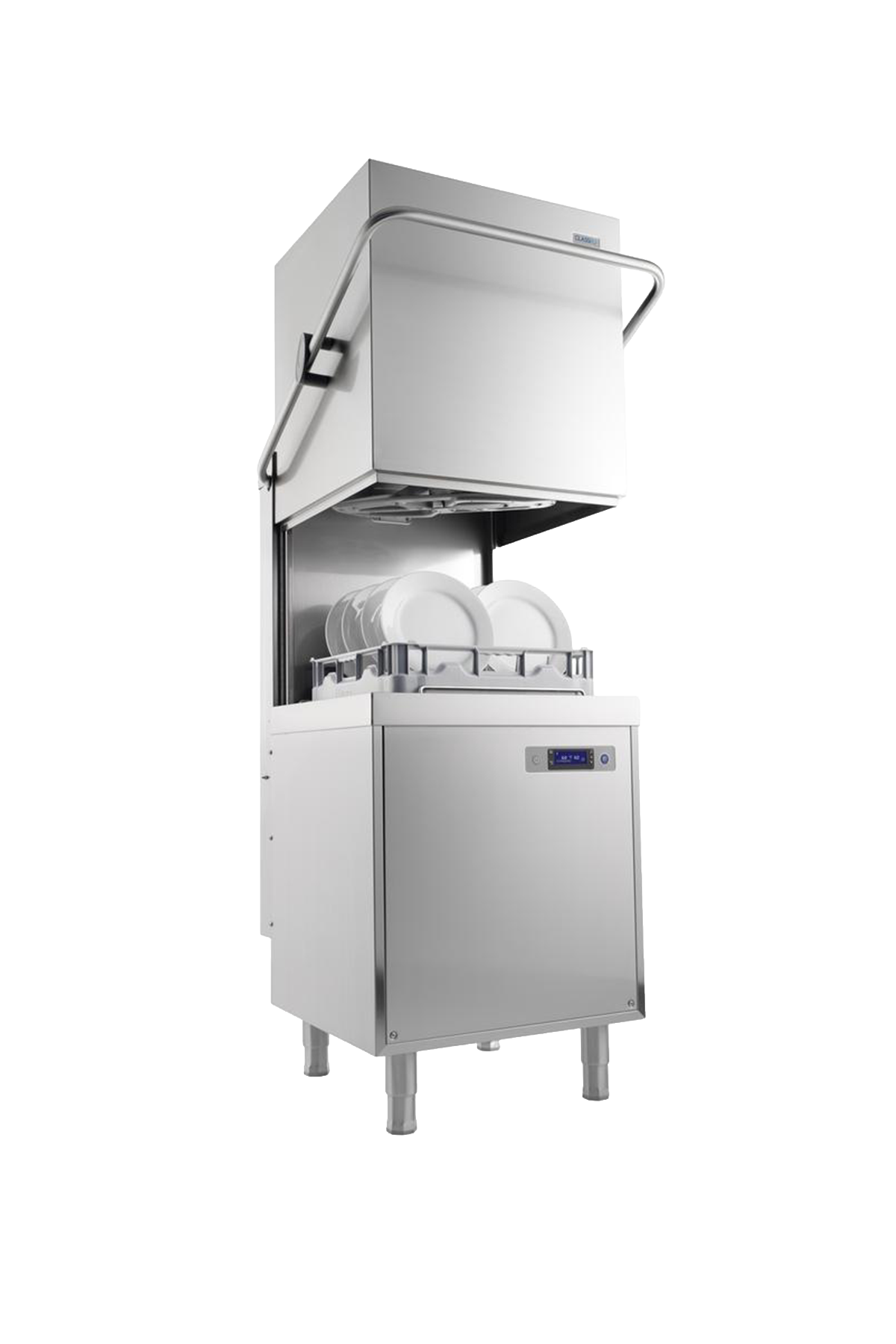
Product precision
Whatever the product.
Our production process adapts.
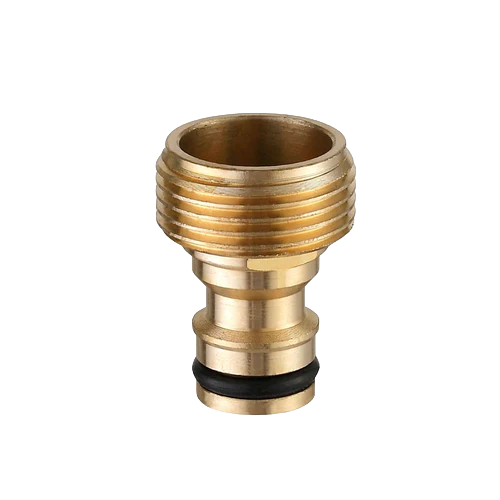
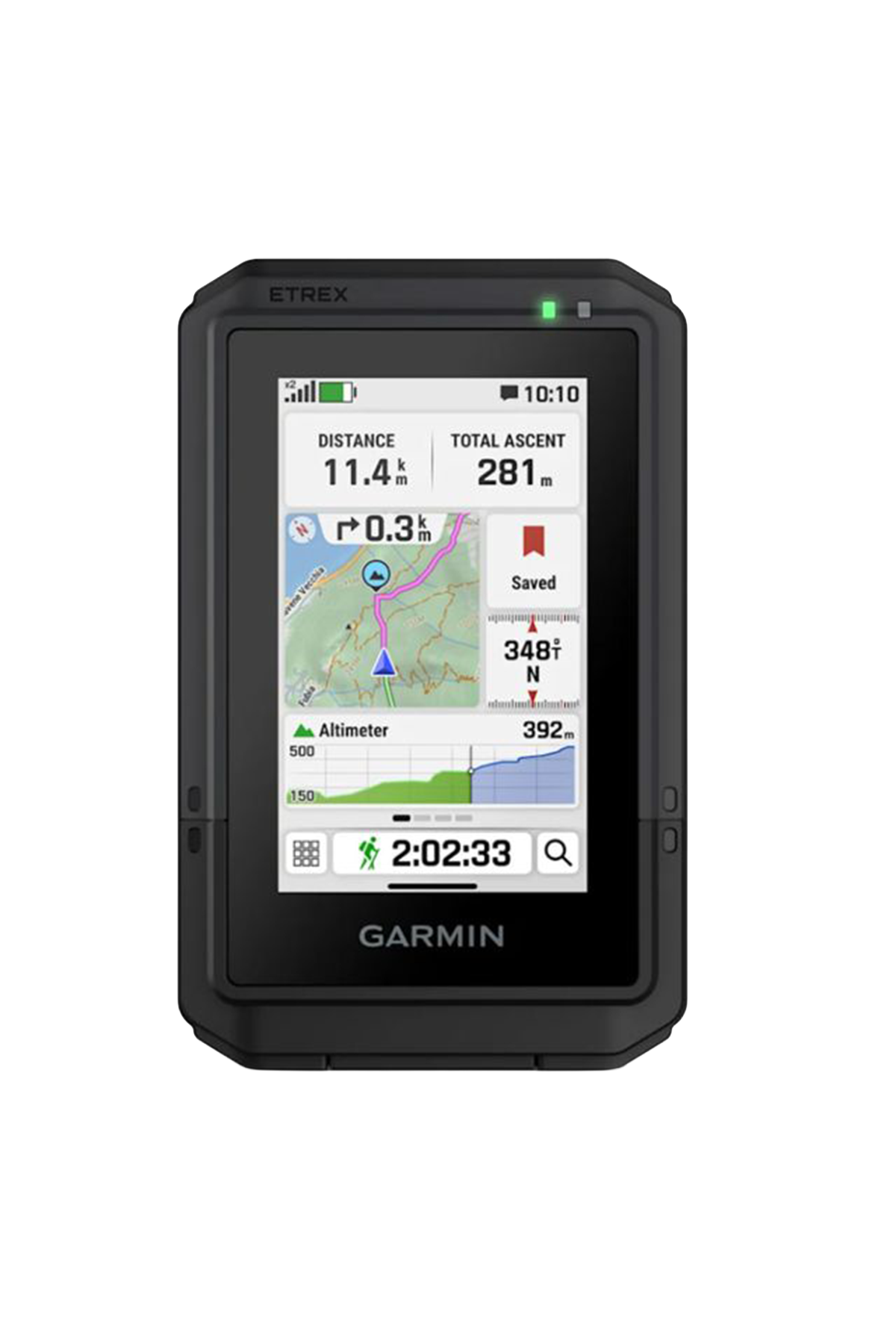
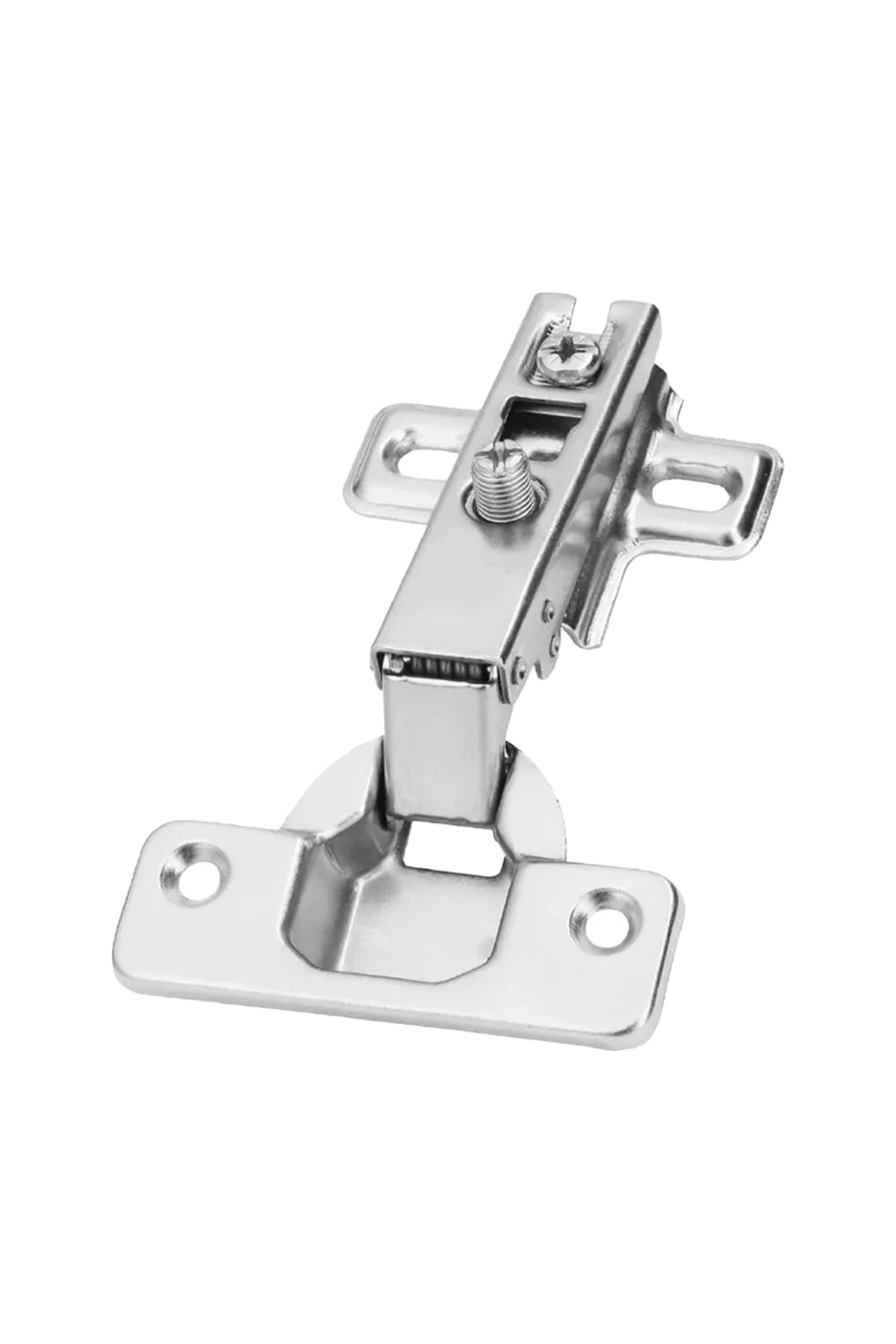
Product CGI works differently from room-based imagery. When a product is shown in isolation, there is no environment to style and no room to dress. The product carries the image, so its credibility depends on how accurately it is modelled, how convincingly its materials are reproduced and how carefully it is lit.
That calls for a particular kind of technical discipline: precise geometry, accurate surfaces and believable material behaviour. On a watch dial, the smallest discrepancy becomes visible. On a castor, the wrong level of gloss can misrepresent the finish a buyer will receive.
For 24 years, we have worked across the full range of manufactured products—from precision instruments that are difficult to photograph clearly to large industrial products that are costly to transport, stage and reshoot. The scale and production approach may change, but the objective does not: to create imagery that meets the marketing brief and looks every bit as credible as professionally lit studio photography.
The required output always shapes the process. Clean white-background images for catalogues, e-commerce and specification sheets. Lifestyle imagery with setting and context for brochures and campaigns. Technical illustrations for manuals and data sheets. Once we receive the specification, we recommend the right approach and provide a clear scope and quote.
Output formats
Four common outputs.
Each built for a different purpose.
Product CGI’s can be produced for almost any visual requirement. These are the four output formats we create most often—each with its own approach to composition, lighting and final delivery.
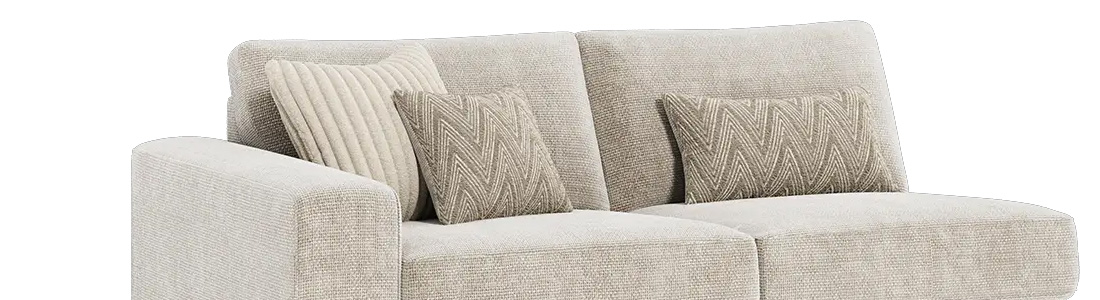
01
Catalogue and e-commerce stills
Clean, consistent product images on white, neutral or transparent backgrounds. Created for ecommerce listings, catalogues, specification sheets and retailer submissions, with matching angles and lighting across complete product ranges.
Ecommerce
Catalogues
Specification sheets
Retailer listings
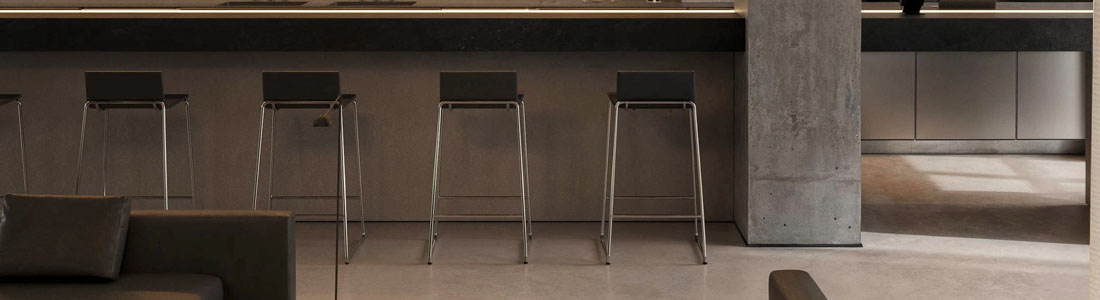
02
Brochure and campaign imagery
Products presented within a carefully designed setting or art-directed composition. Created to communicate quality, application and brand positioning across brochures, advertising, launches and other campaign materials.
Brochures
Advertising
Product launches
Campaigns
03
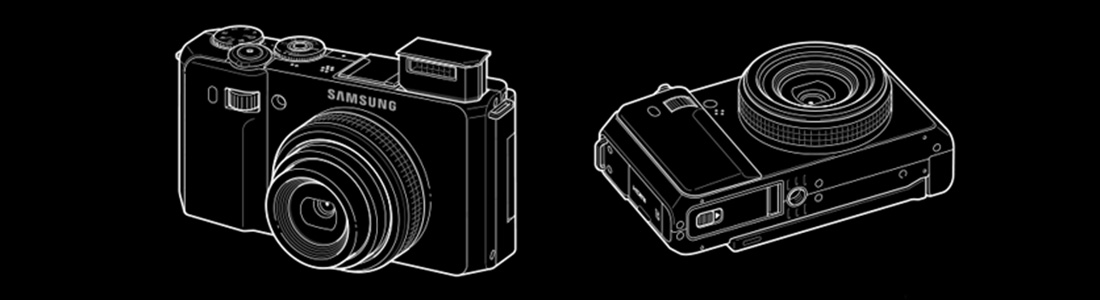
Technical illustrations and exploded views
Clear visual explanations of a product’s construction, components or operation. This can include exploded assemblies, cutaways, sectional views and labelled illustrations for technical and instructional material.
Installation manuals
Parts catalogues
Data sheets
Technical literature
04
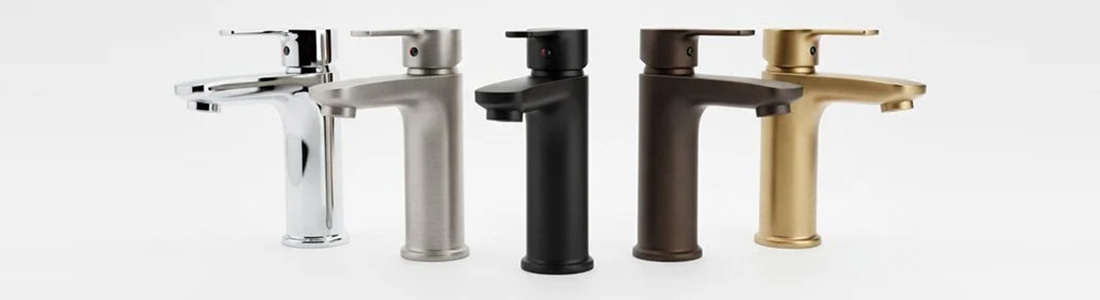
Finish and configuration variants
One product shown across multiple colours, materials, finishes or configurations. Every version is produced from the same CGI model, maintaining consistent lighting, framing and presentation throughout the range.
Product selectors
Range catalogues
Sales materials
Distributor assets
Finding your brief
Where does your brief fit?
Most product CGI briefs fall into one of four broad categories, based on the number of products involved and how the imagery will be used. Find the closest match below, and we can shape the final scope around your requirements.
Single product · Clean imagery
One product. Clearly and consistently presented.
You need imagery of one product, or a small number of related products, without a surrounding environment. This could include several angles, close-up details or a limited number of finishes.
— Number of required angles
— Close-up or detail views
— Colour and finish options
— Available CAD files, drawings or reference material
Single product · Lifestyle imagery
One product placed in the right setting.
You need to present a product within a carefully designed environment or art-directed composition. The setting, lighting and styling are developed around the product and the intended audience.
— Type and style of setting
— Intended audience and application
— Number of compositions required
— Final formats, crops and image sizes
Product range · Clean imagery
A complete range presented as a consistent collection.
You need matching imagery across multiple products, SKUs, finishes or configurations. Every image follows the same approach to lighting, framing and background treatment, creating a coherent visual set across the range.
— Number of products and SKUs
— Shared components or product families
— Colour, finish and configuration variants
— Required consistency across angles and framing
Product range · Lifestyle imagery
Multiple products shown across coordinated settings.
You need lifestyle or campaign imagery for an entire product range. Products can share a consistent environment or be placed within individual settings, depending on the range, campaign and available budget.
— Products shown individually or together
— Shared or separate environments
— Number of hero and supporting images
— Campaign formats and ongoing image requirements
Does your brief sit somewhere between these? That is perfectly normal. Many projects combine clean product imagery, finish variants, technical views and lifestyle scenes. Send us what you have, and we will help define the scope, identify what is required and recommend the most practical way to produce it.
How it works
Every product follows the same four-stage process.
A single screw and a large industrial machine require very different amounts of modelling and production. The scope, timescale and output may change, but the way we manage the project does not. Every brief moves through the same four stages, from specification to final delivery.
01
02
03
04
Brief and specification
We review your CAD files, technical drawings, dimensions, material specifications and finish references, together with the list of images you need. We identify any missing information and agree the scope, timescale and cost before production begins.
CGI model and materials
We build the product in 3D and reproduce its materials, colours and finishes from the information supplied. The model is prepared to cover the agreed angles, variants and output requirements, whether the brief covers one image or a complete product range.
Draft images and review
We produce the first images for review. This is where we refine and complete the product model, camera angles, materials, lighting and background treatment before progressing to the finished output. Any feedback is applied at this stage.
Final production and delivery
Once the drafts are approved, we complete the final renders and apply professional AI enhancement where it improves material detail, realism and photographic finish without changing the product. Your images are then supplied in the agreed resolutions, formats and crops, ready for their intended use.
01
Brief and specification
We review your CAD files, technical drawings, dimensions, material specifications and finish references, together with the list of images you need. We identify any missing information and agree the scope, timescale and cost before production begins.
02
CGI model and materials
We build the product in 3D and reproduce its materials, colours and finishes from the information supplied. The model is prepared to cover the agreed angles, variants and output requirements, whether the brief covers one image or a complete product range.
03
Draft images and review
We produce the first images for review. This is where we refine and complete the product model, camera angles, materials, lighting and background treatment before progressing to the finished output. Any feedback is applied at this stage.
04
Final production and delivery
Once the drafts are approved, we complete the final renders and apply professional AI enhancement where it improves material detail, realism and photographic finish without changing the product. Your images are then supplied in the agreed resolutions, formats and crops, ready for their intended use.
What you provide
You don’t need a perfect brief for us to get started.
Product briefs rarely arrive with every detail resolved. Send us what you have and we will identify any gaps, explain what else is needed and help turn it into a workable production brief.
ideal
CAD and full specification – A CAD model or dimensioned technical drawings, supported by material specifications, finish references and physical samples where colour matching is important. This gives us the clearest route from specification to production.
workable
Drawings and reference material – Accurate dimensions, drawings and clear photographs from several angles are often enough. Product literature, finish samples and existing marketing imagery can help us understand any details not shown.
starting point
Whatever you currently have – A sketch, a physical product, a set of photographs, a product page or a written description can be enough to begin the conversation. We will review it and tell you what additional information is needed before production starts.
output brief
What the images need to achieve – Tell us where the imagery will be used, the products or variants involved and any known requirements for angles, backgrounds, formats or deadlines. If these details are not yet decided, we can help define them around the intended use.
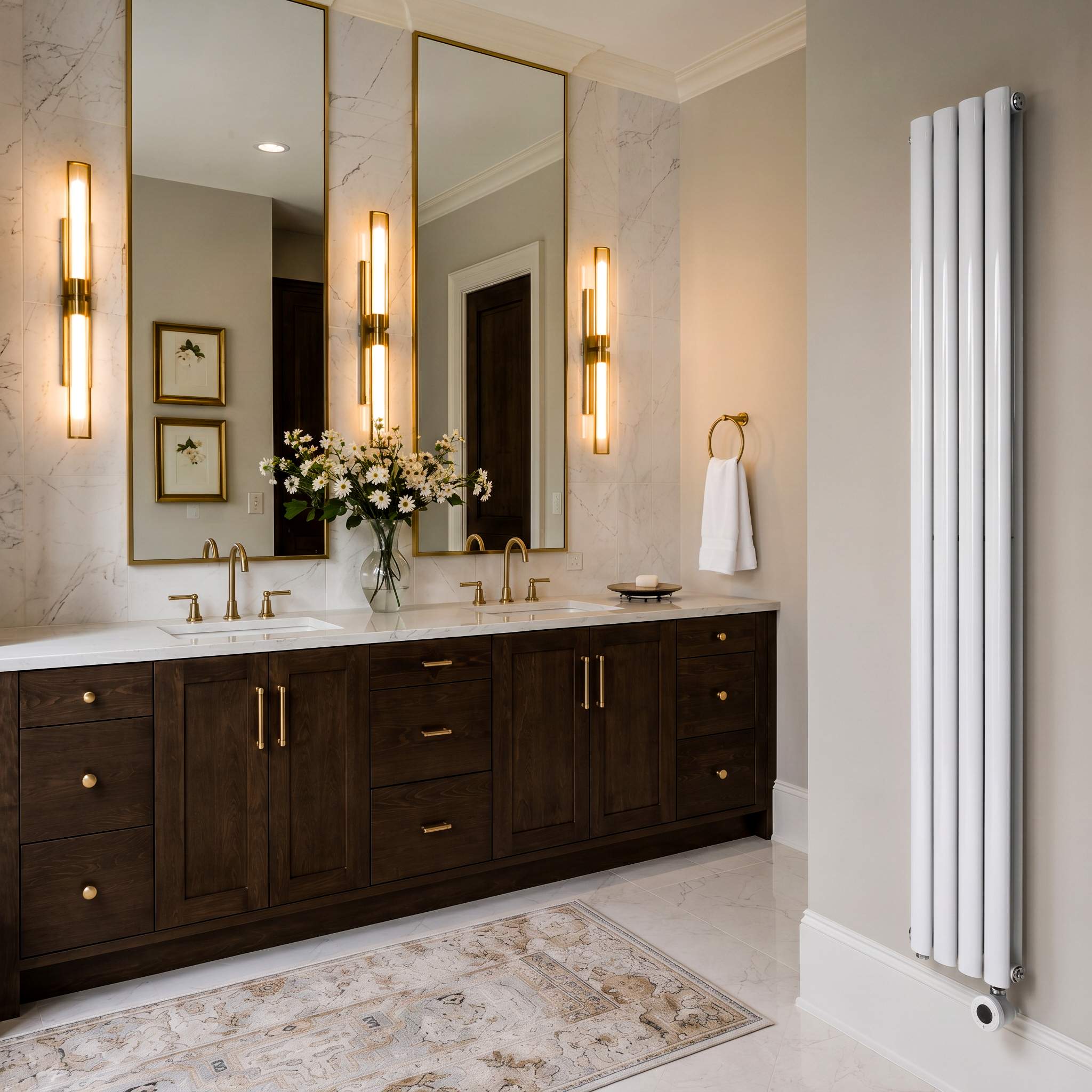
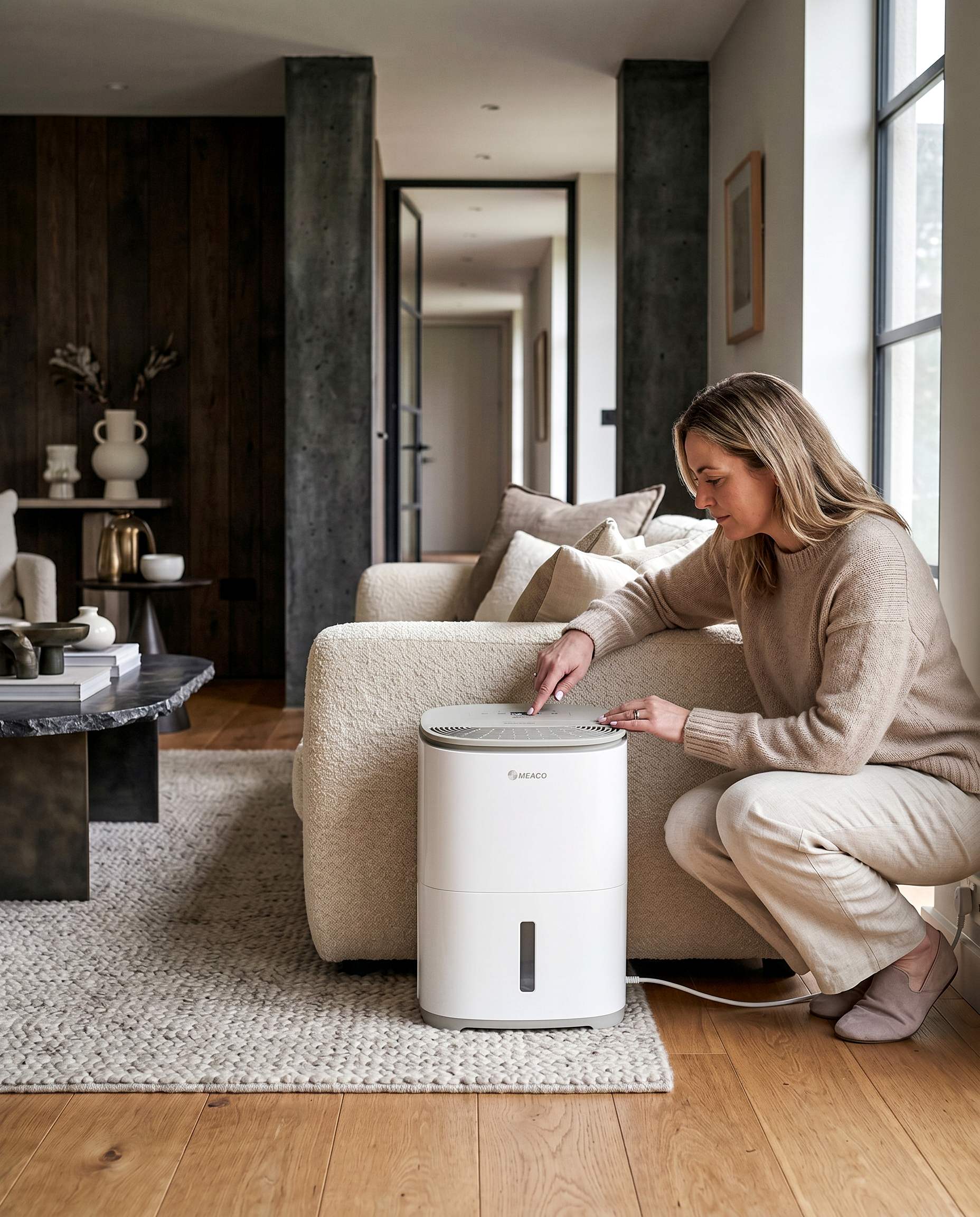
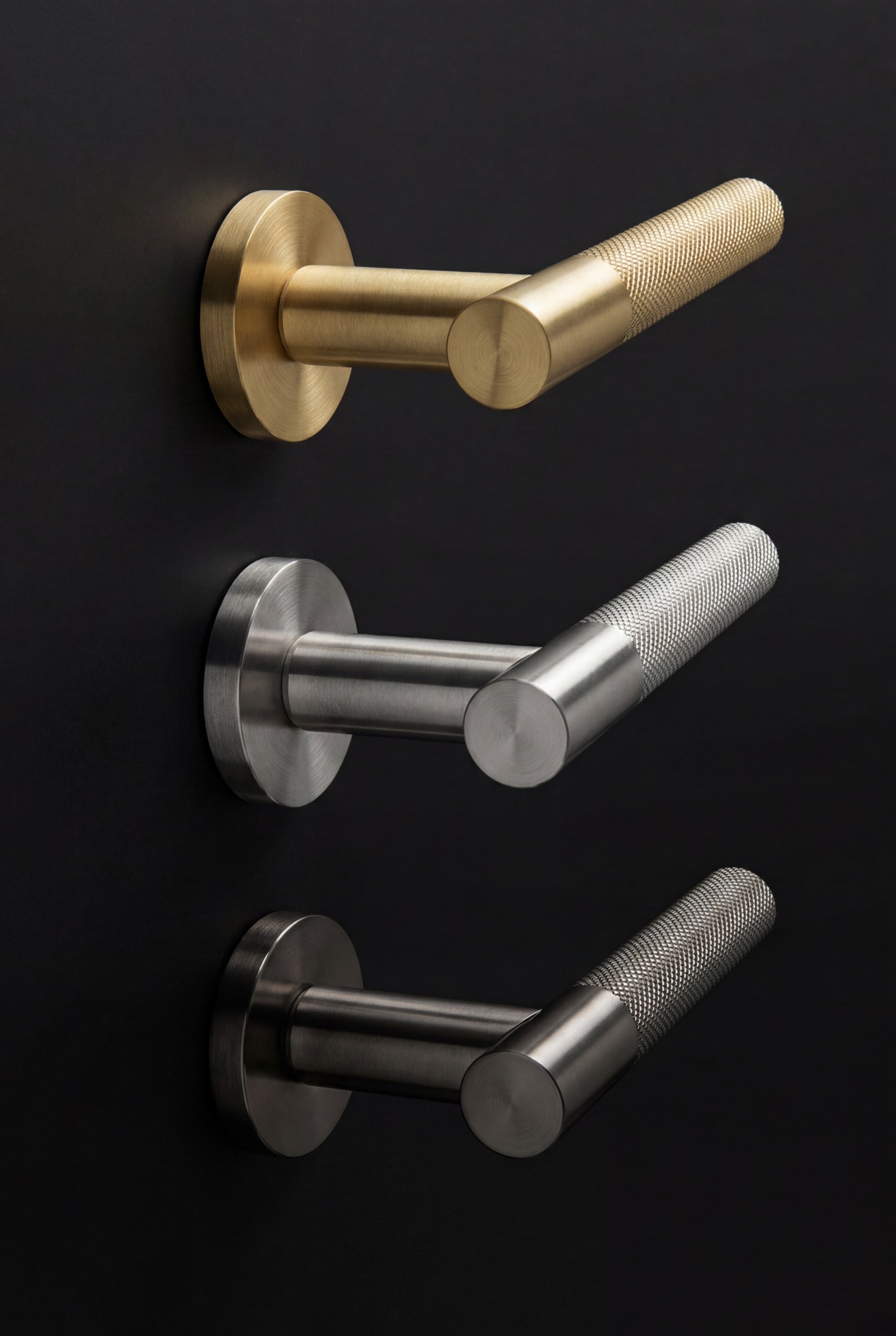
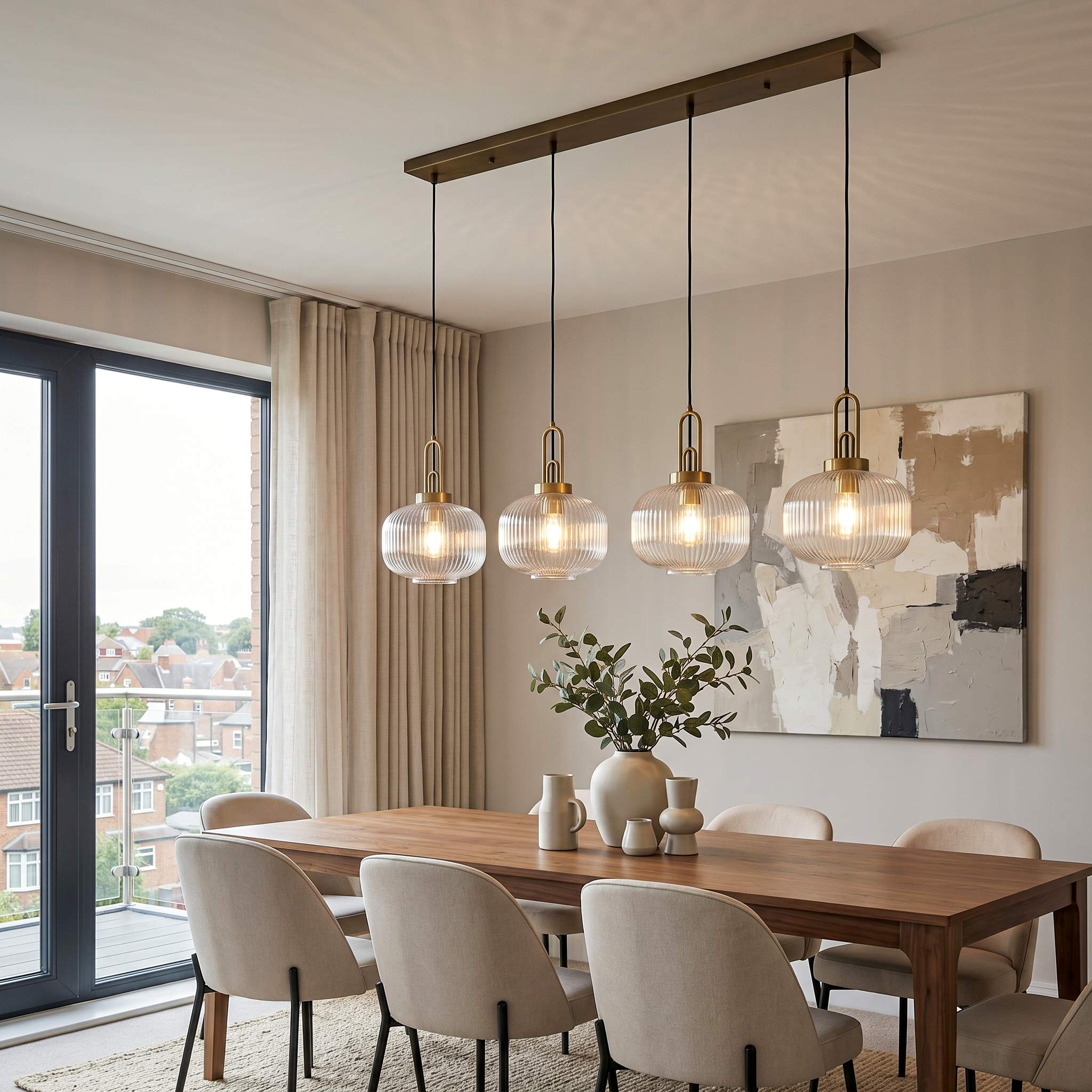
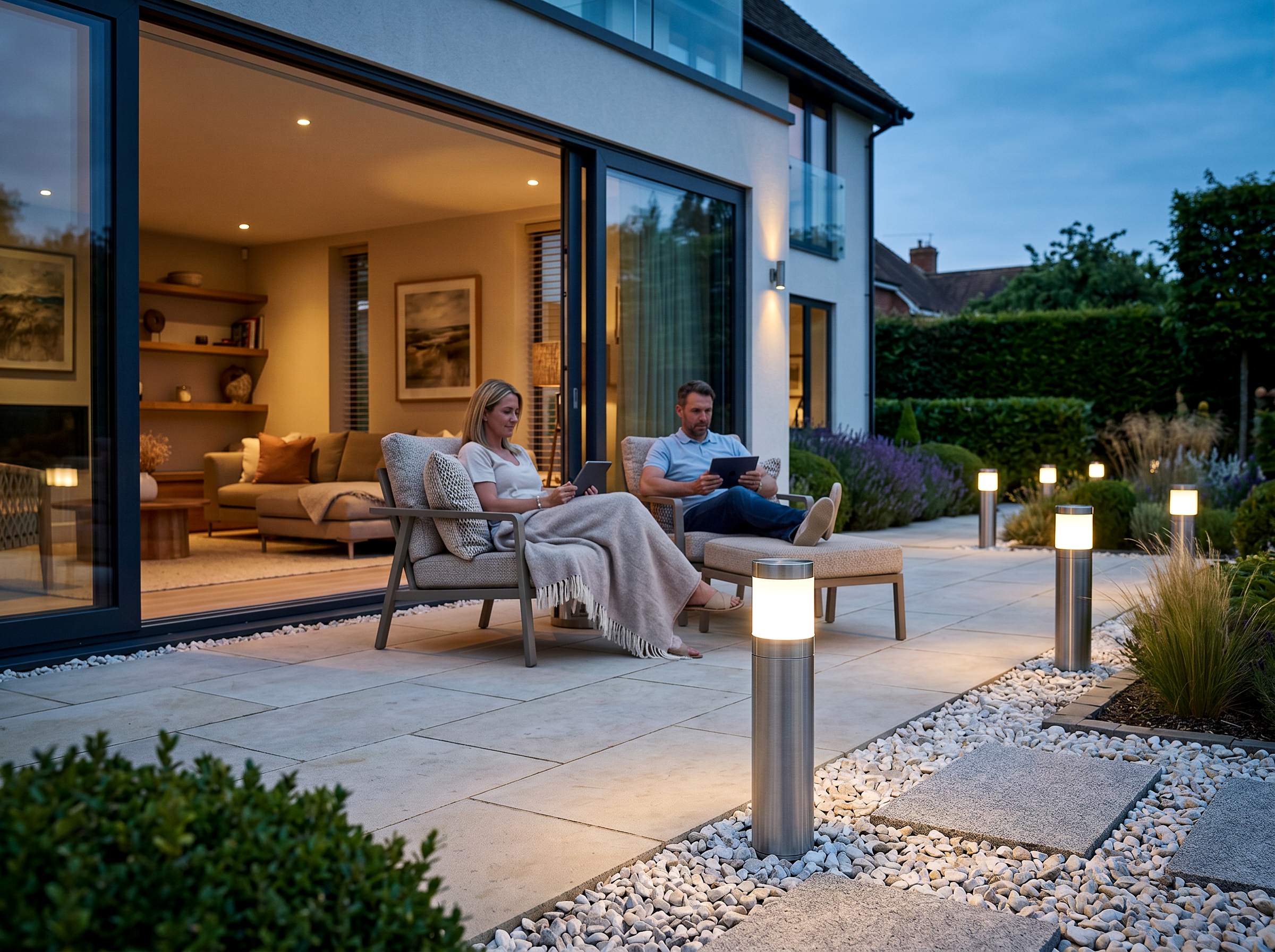
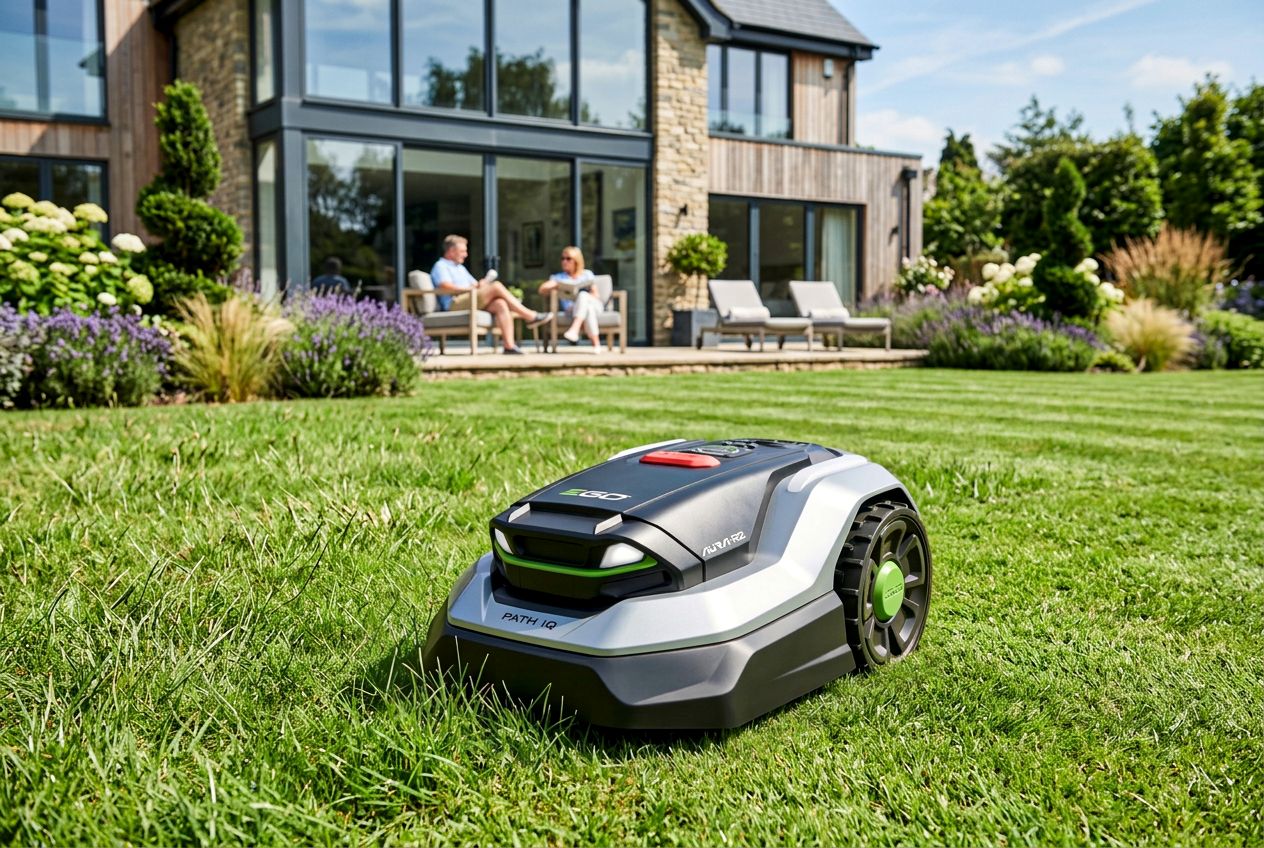
selected product work
A few examples of images from our product archives.



Who it’s for
Product CGI for teams managing products, ranges and deadlines.
Product CGI becomes particularly valuable when the imagery requirement is too early, too extensive, too technical or too difficult for a conventional photography shoot.
client type 01
Specialist and industrial manufacturers
You need to present a complex, technical or difficult-to-handle product clearly—without compromising its credibility or organising an impractical photography shoot.
client type 02
Manufacturers with extensive product ranges
You are coordinating numerous products, finishes and configurations. Every image needs to remain consistent, even as the range expands or specifications change.
client type 03
Product developers and launch teams
Your marketing deadlines arrive before prototypes or production samples. You need credible imagery approved and ready while the product is still moving towards manufacture.
client type 04
Brands and marketing agencies
You are responsible for a demanding visual brief, fixed campaign dates and multiple stakeholders. You need a production partner who can take ownership and deliver reliably.
Common questions
Things product teams ask first.
Six questions that come up in nearly every first conversation. If yours is not covered, send it to us.
Start a product project
Tell us what you need to showcase.
We’ll work out how to produce it.
Whether you have complete CAD data and a detailed brief or simply a product and an idea of the images you need, send us what you have. We will review the information, recommend the right production approach and provide a clear scope, timescale and quote.